In entertainment graphic design, key art is frequently reduced to generic floating-head compositions and indiscriminate digital flares. When tackling universally recognized comic book mythologies, this conventional approach creates aesthetic fatigue. The primary challenge of the Rebooting the DCU poster series, developed under The Aurum Age banner, was to construct a cohesive visual architecture where each hero is anchored by a precise creative briefing, bespoke lighting physics, and custom typography.
Across 21 completed compositions covering Elseworlds, Phase 1 (Genesis), and Phase 2 (Alliances), every poster functions as a targeted design solution. Below is the technical breakdown of the choices behind every piece in the collection.
"Key art should not merely announce a character; it must visualize the ideological conflict and photographic atmosphere of the narrative before a single frame is filmed."
01. The Elseworlds Imprint: Gothic Folk & Organic Horror
The Elseworlds line operates outside main continuity, demanding high-contrast auteur aesthetics and tactile organic textures that reject clean digital finishes.
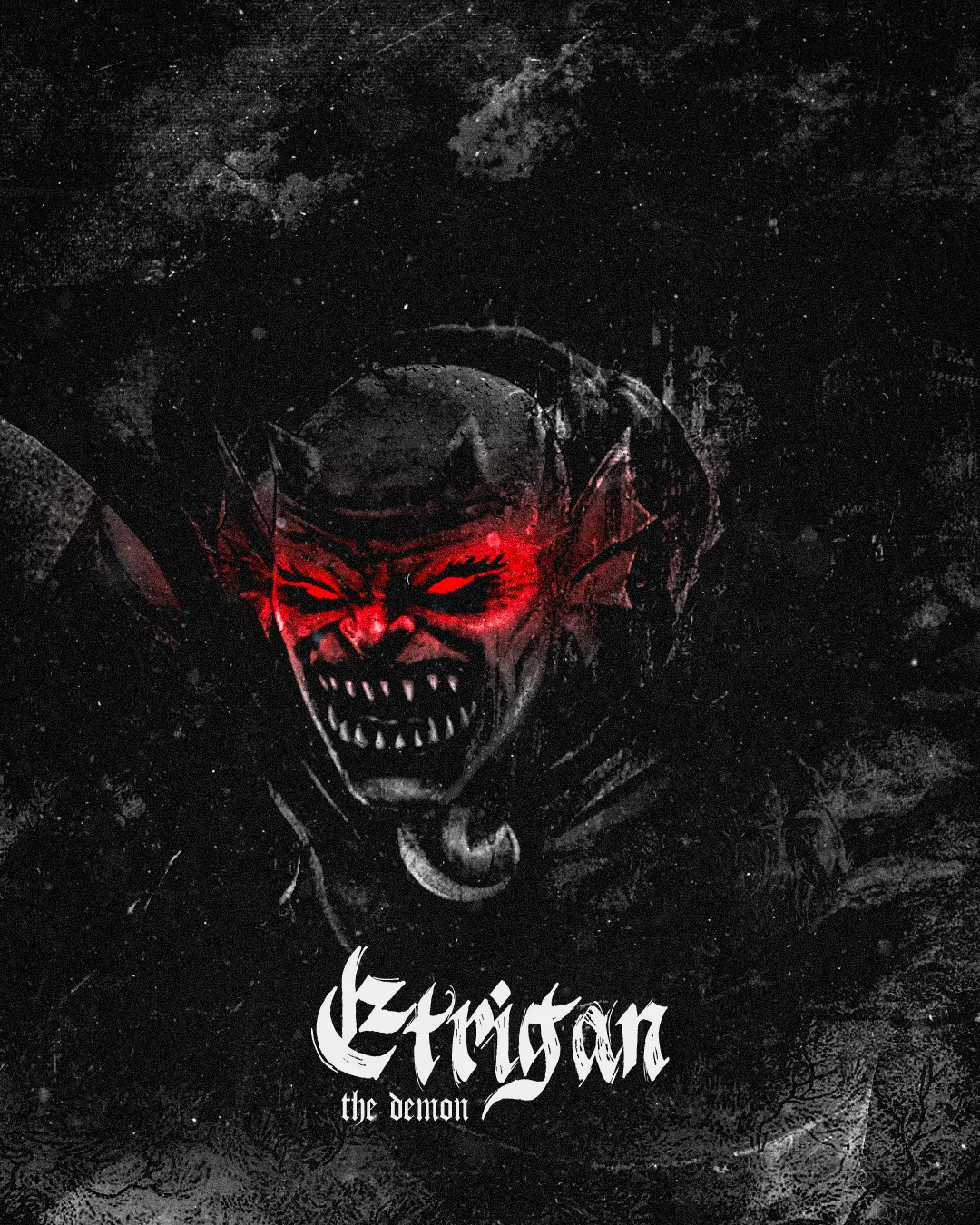
Etrigan, the Demon
- Narrative Briefing: Dark medieval folk horror exploring the tragic duality of Jason Blood bound to a demonic entity in 5th-century Camelot.
- Lighting Physics: Harsh low-angle firelight evoking woodsmoke and brimstone embers against pitch-black negative space.
- Typographic System: Weathered, sharp-cornered gothic serif with hand-carved stone letterforms.
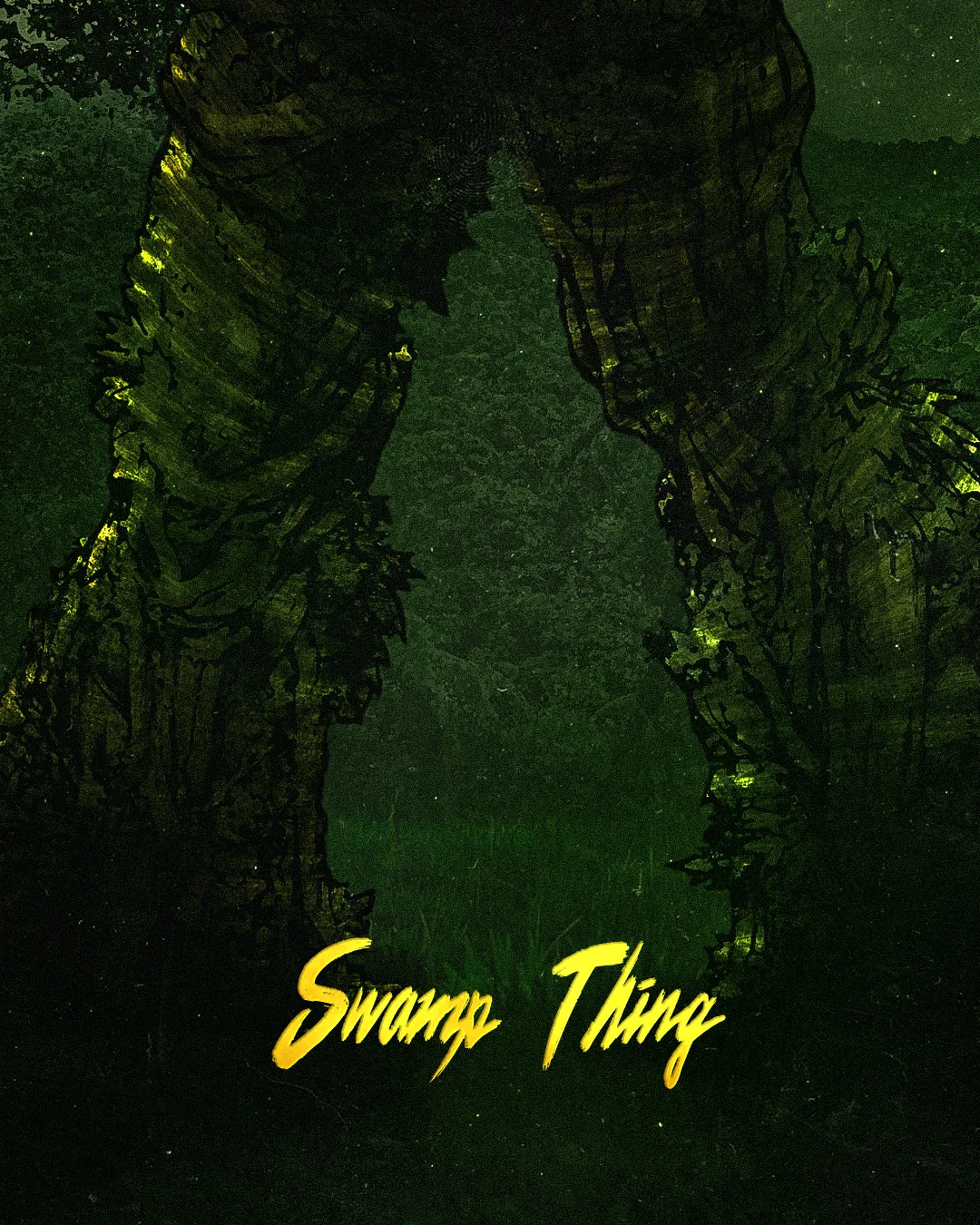
Swamp Thing
- Narrative Briefing: Gothic biological tragedy centered on Dr. Alec Holland trapped within the botanical consciousness of the Green.
- Lighting Physics: Murky sub-aquatic backlight with toxic swamp-green luminescent rim lights defining decaying organic textures.
- Typographic System: Heavy distressed sans-serif submerged into moss layers, blending the title directly into the environment.
02. Phase 1 (Genesis): The Foundational Pantheon
Phase 1 required establishing clean individual identities while ensuring that all heroes could plausibly share the screen in a climactic ensemble event.
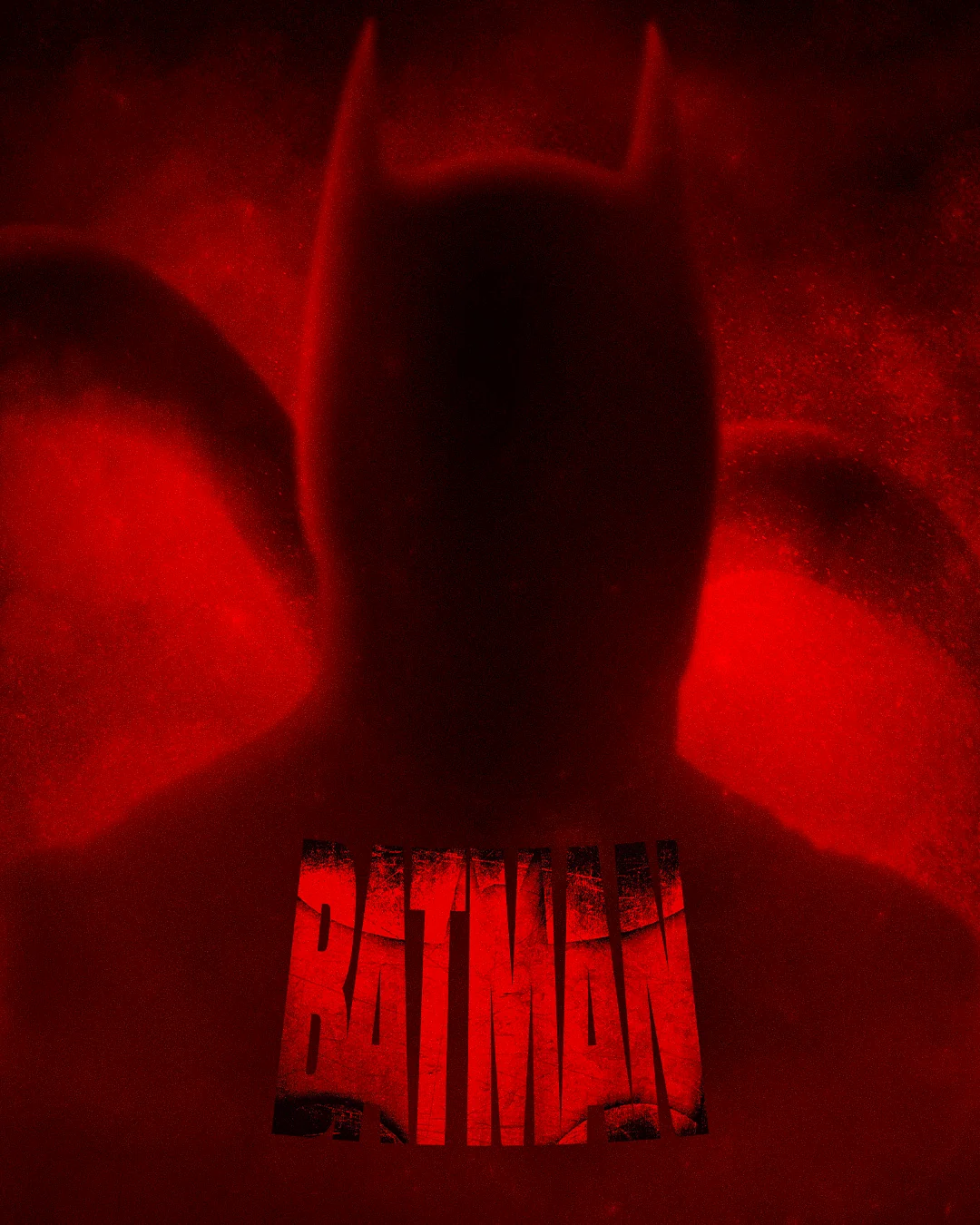
Batman (2026)
- Narrative Briefing: Year Two neo-noir crime thriller. Bruce Wayne navigating GCPD corruption while confronting the vigilante terror of The Reaper.
- Lighting Physics: Charcoal chiaroscuro drenched in continuous rain reflections, accented by harsh sodium-vapor amber streetlights.
- Typographic System: Ultra-clean condensed Roman serif, projecting cold aristocratic authority.
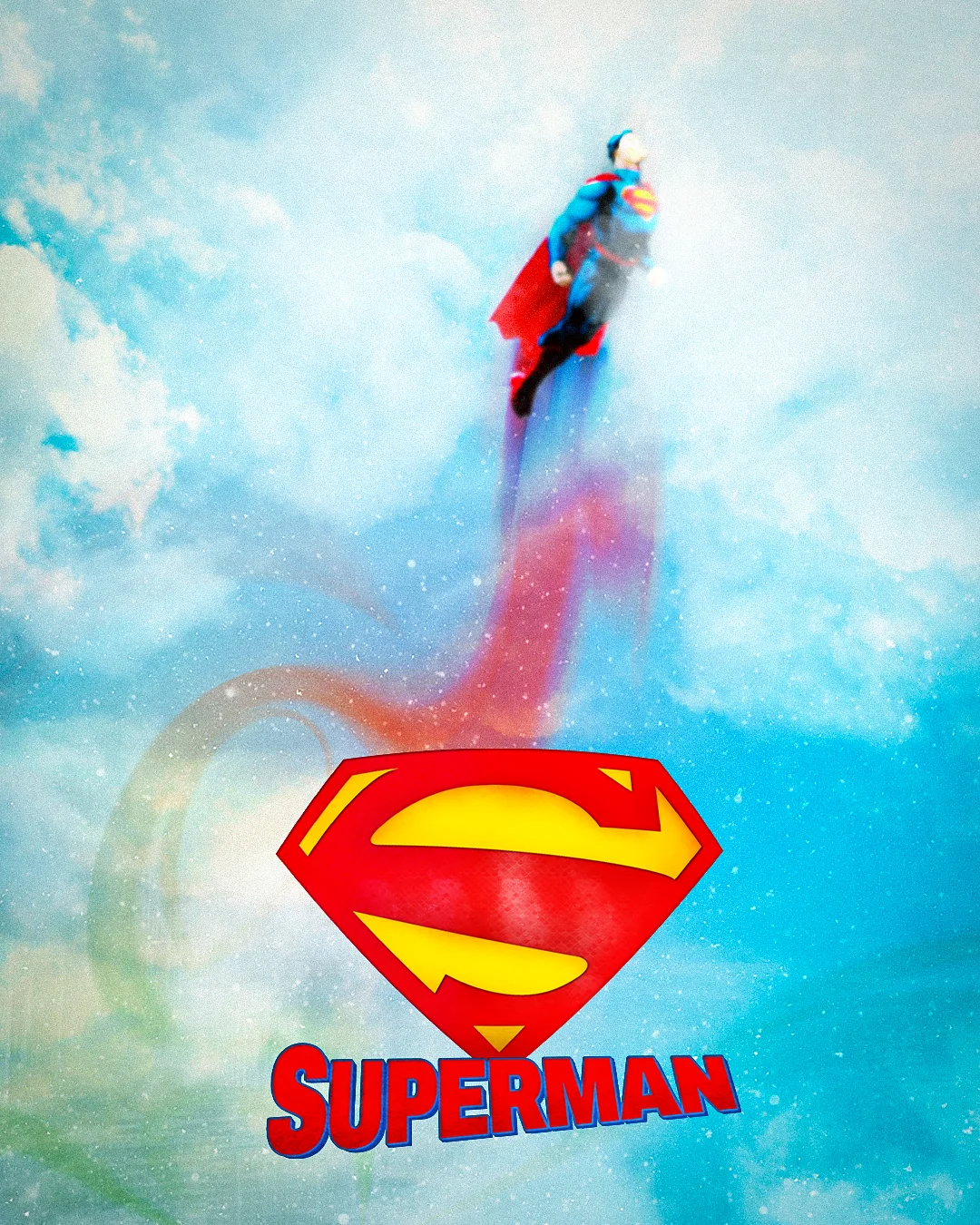
Superman (2027)
- Narrative Briefing: Uncompromising solar optimism versus corporate cynicism. A 23-year-old Clark Kent arriving at the Daily Planet.
- Lighting Physics: High-key daylight exposure with radiant atmospheric bloom, pure cobalt blue and rich primary crimson.
- Typographic System: Bold, upright geometric sans-serif evoking mid-century architectural strength.
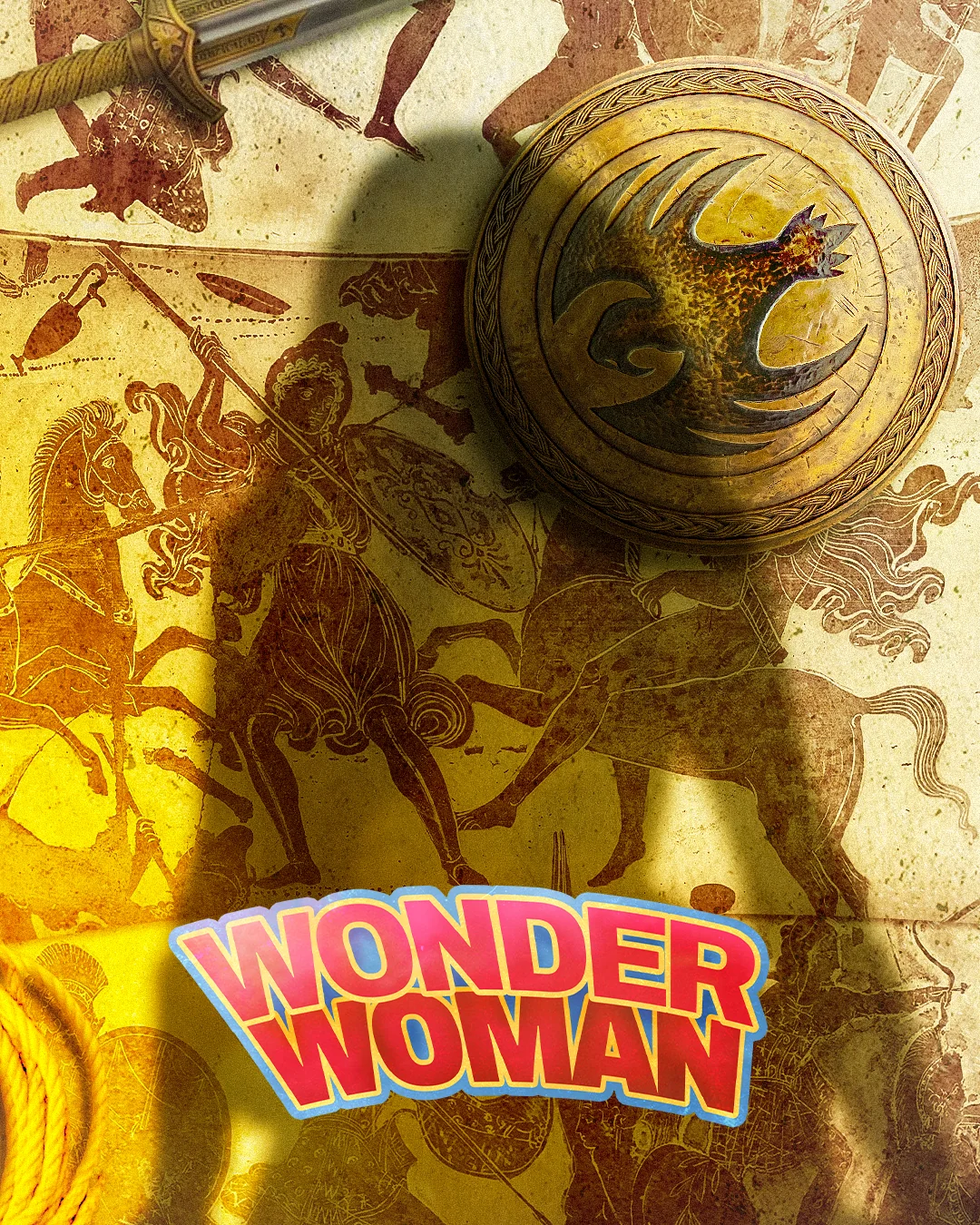
Wonder Woman (2028)
- Narrative Briefing: Mythological bronze-age epic depicting Diana stepping out of Themyscira into the brutal reality of human conflict.
- Lighting Physics: Golden-hour Aegean sunflare grazing weathered Greco-Roman battle armor and textured marble.
- Typographic System: Classical chiselled capitals with subtle modern spacing for mythological gravitas.
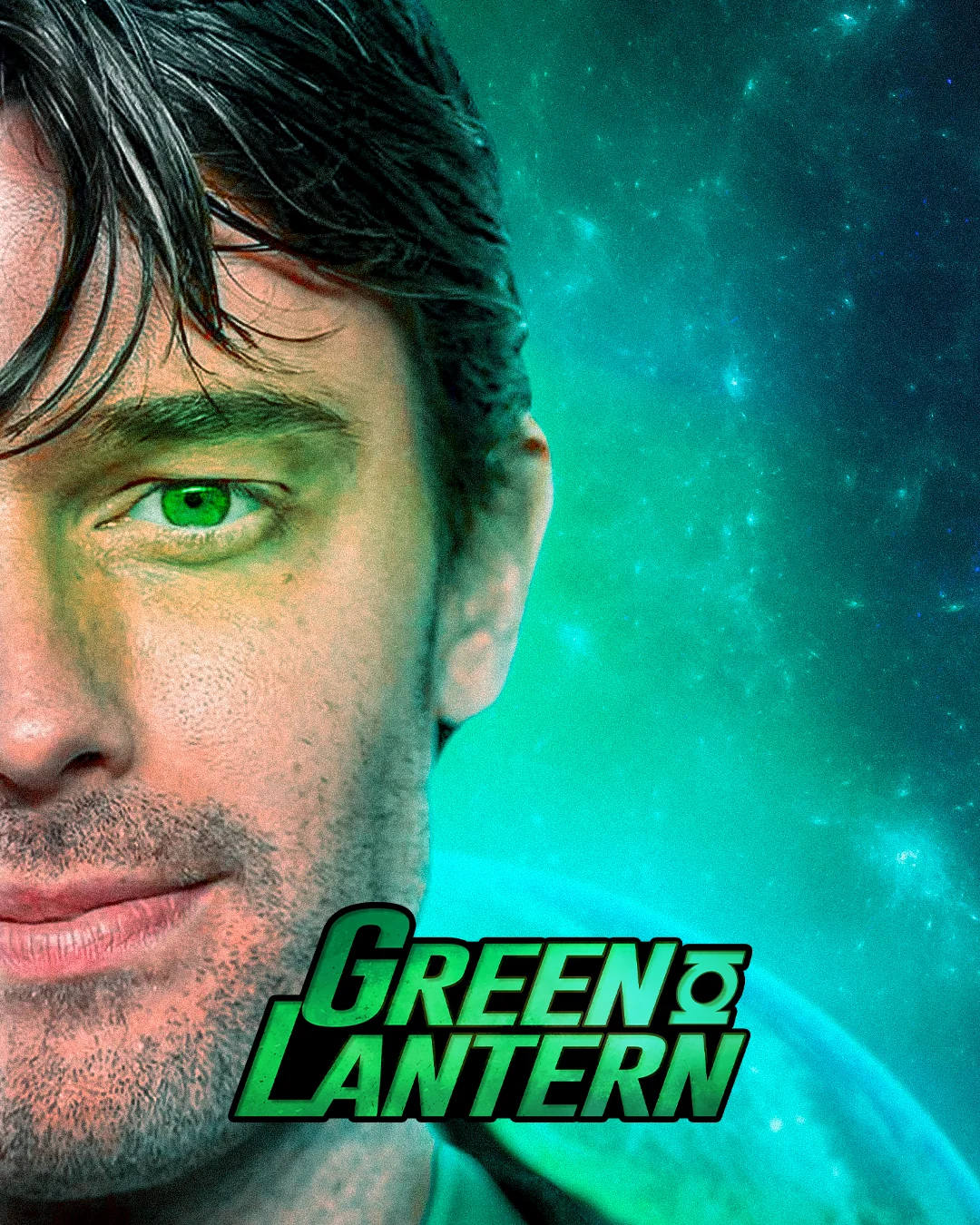
Green Lantern (2028)
- Narrative Briefing: Hard sci-fi space cop procedural. Hal Jordan paired with Sinestro to police hostile outer-rim sectors.
- Lighting Physics: Intense emerald energy projection serving as the primary directional light against deep stellar vacuum.
- Typographic System: Monospaced military tactical lettering with sharp aerodynamic incisions.
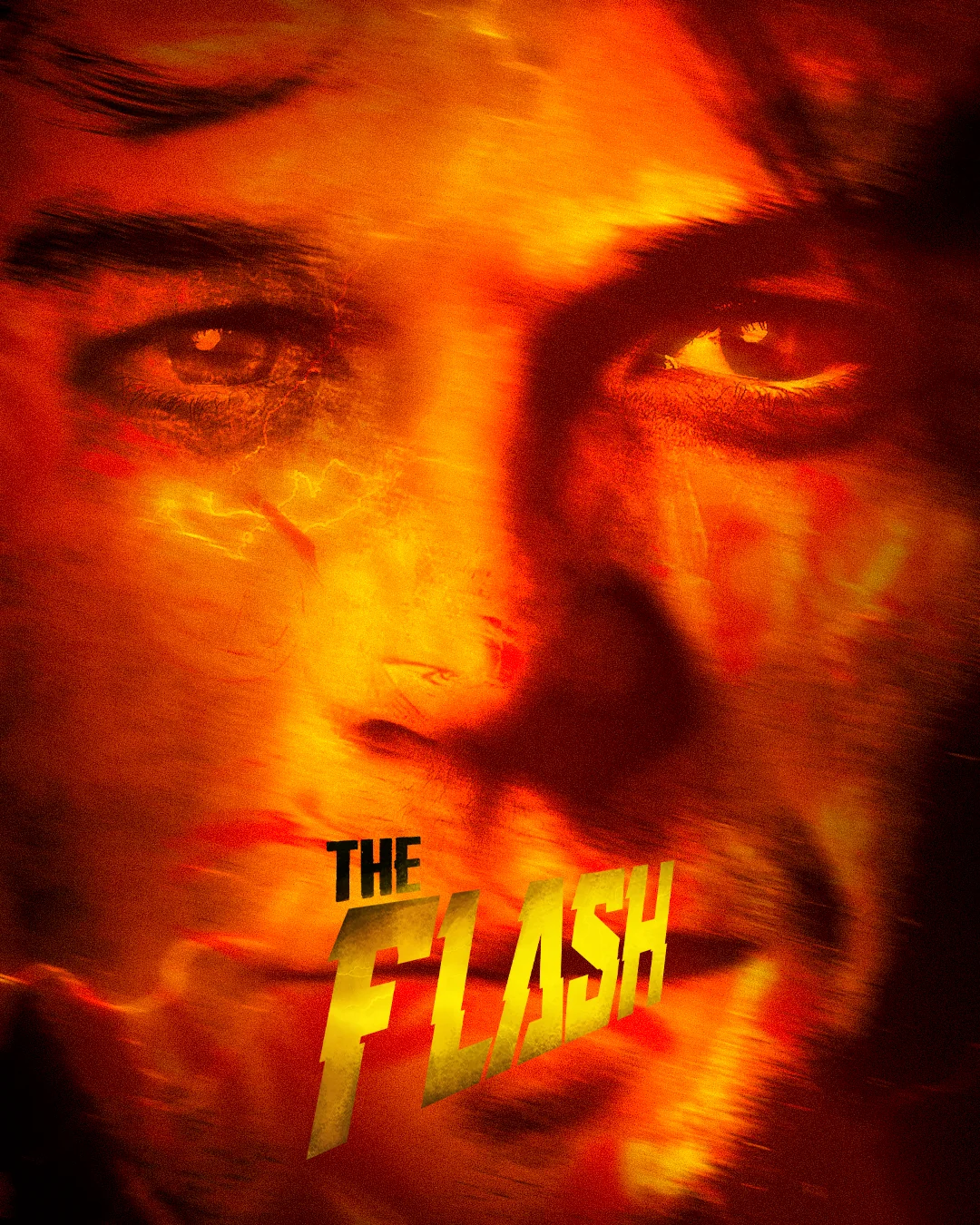
The Flash (2029)
- Narrative Briefing: Kinetic velocity and relativistic time distortion as Barry Allen unravels the science of the Speed Force.
- Lighting Physics: Directional amber electrical arcs creating extreme focal motion blur and subtle chromatic aberration on the silhouette.
- Typographic System: Forward-slanted dynamic italics with sheared horizontal speed strokes.
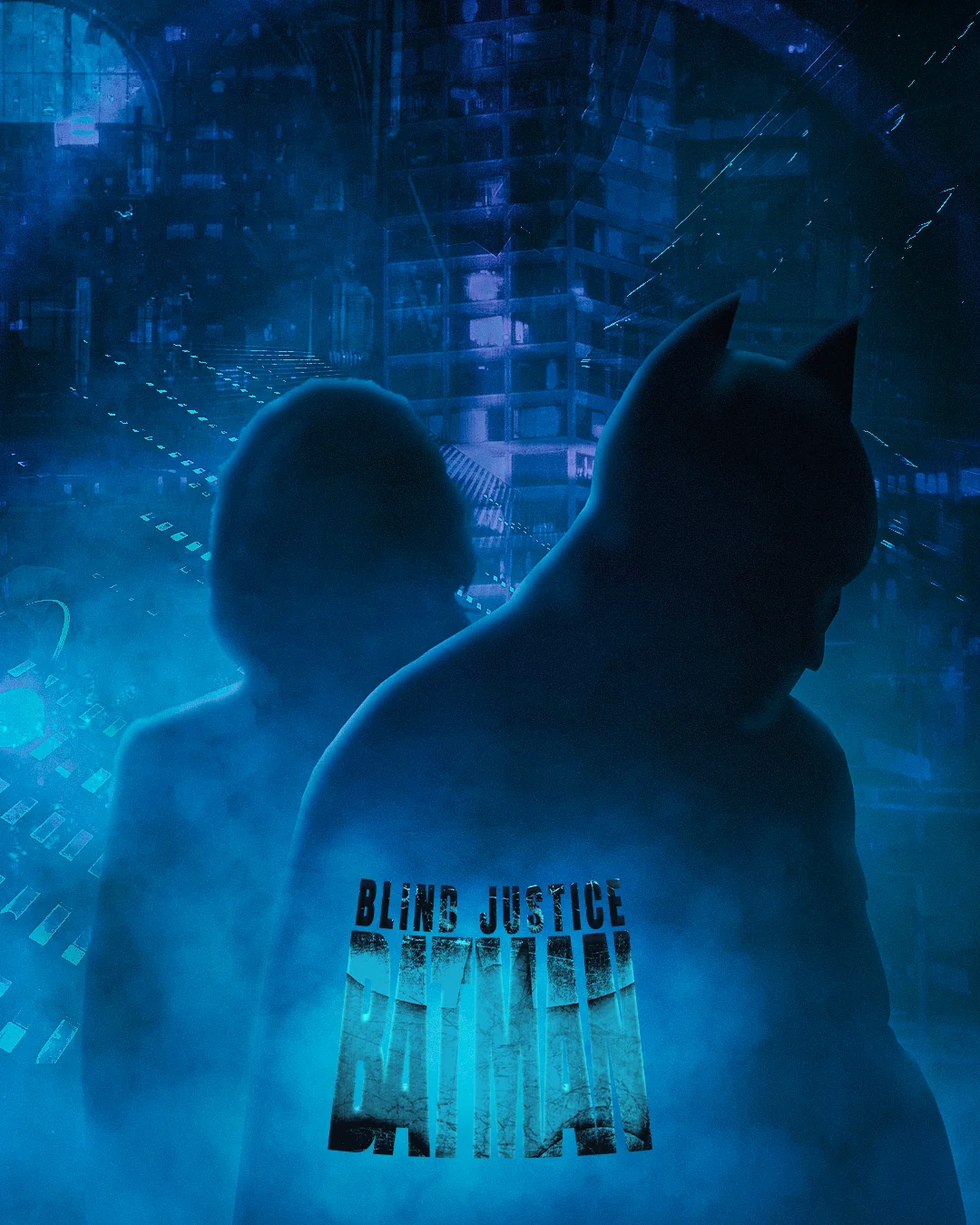
Batman 2: Blind Justice (2029)
- Narrative Briefing: Psychological unraveling of Gotham as Harvey Dent falls from grace and the Joker shatters urban civility.
- Lighting Physics: Binary split lighting (pure white key vs bruised magenta rim) visualizing the tragic duality of justice.
- Typographic System: Fractured and bisected custom logotype reinforcing theme of psychological division.
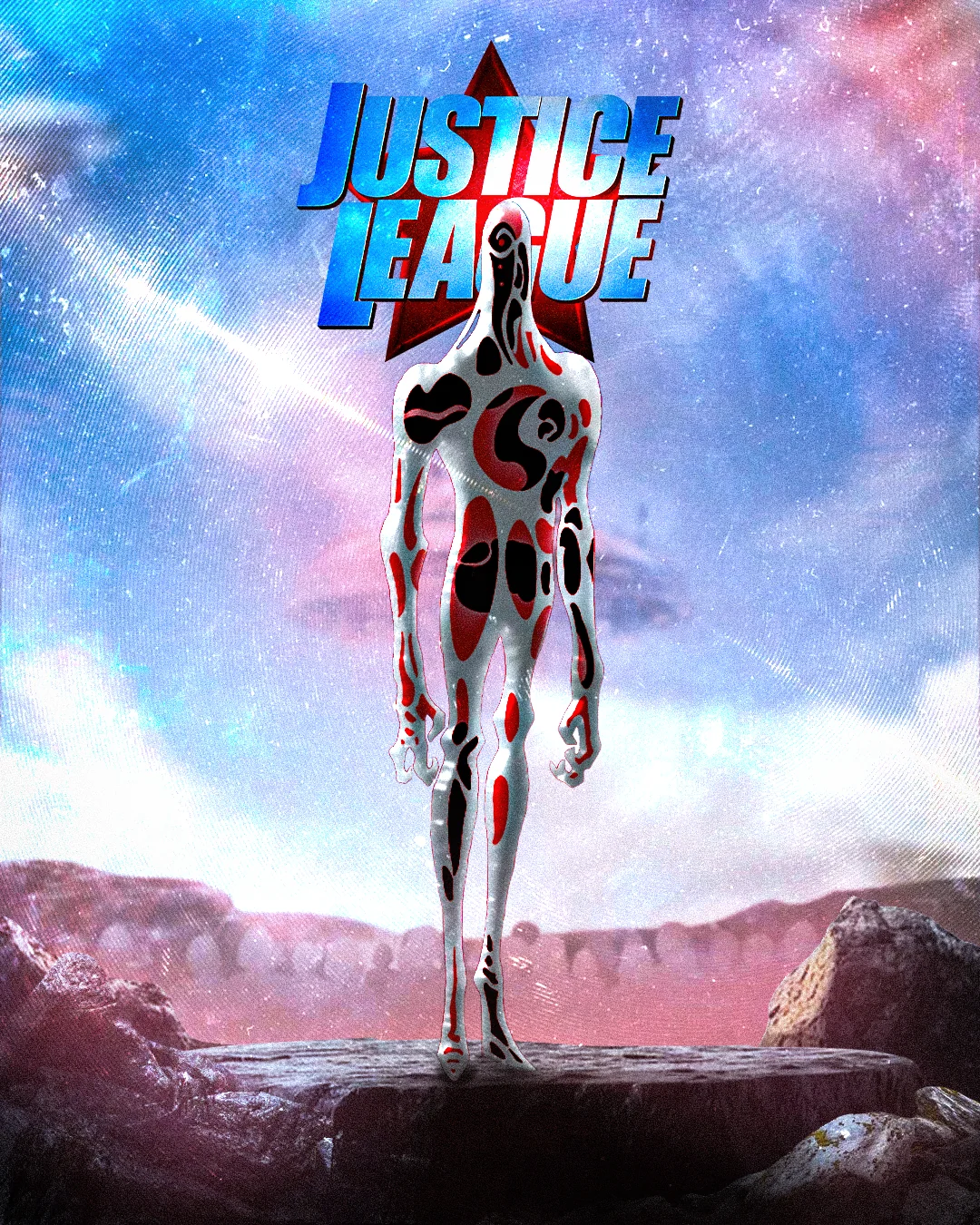
Justice League (2030)
- Narrative Briefing: Chilling sci-fi alien invasion by the White Martians forcing disparate mythological figures into a unified front.
- Lighting Physics: Cold atmospheric cloudscape with an ominous cosmic upper gradient framing a balanced pyramid ensemble.
- Typographic System: Monolithic wide-tracked modern sans-serif engineered for maximum institutional stature.
03. Phase 2 (Alliances): Street Noir, Cosmic Warfare & Team Systems
Phase 2 diversifies genre templates: introducing episodic streaming formats, espionage thrillers, aquatic fantasy, and tactical military units.
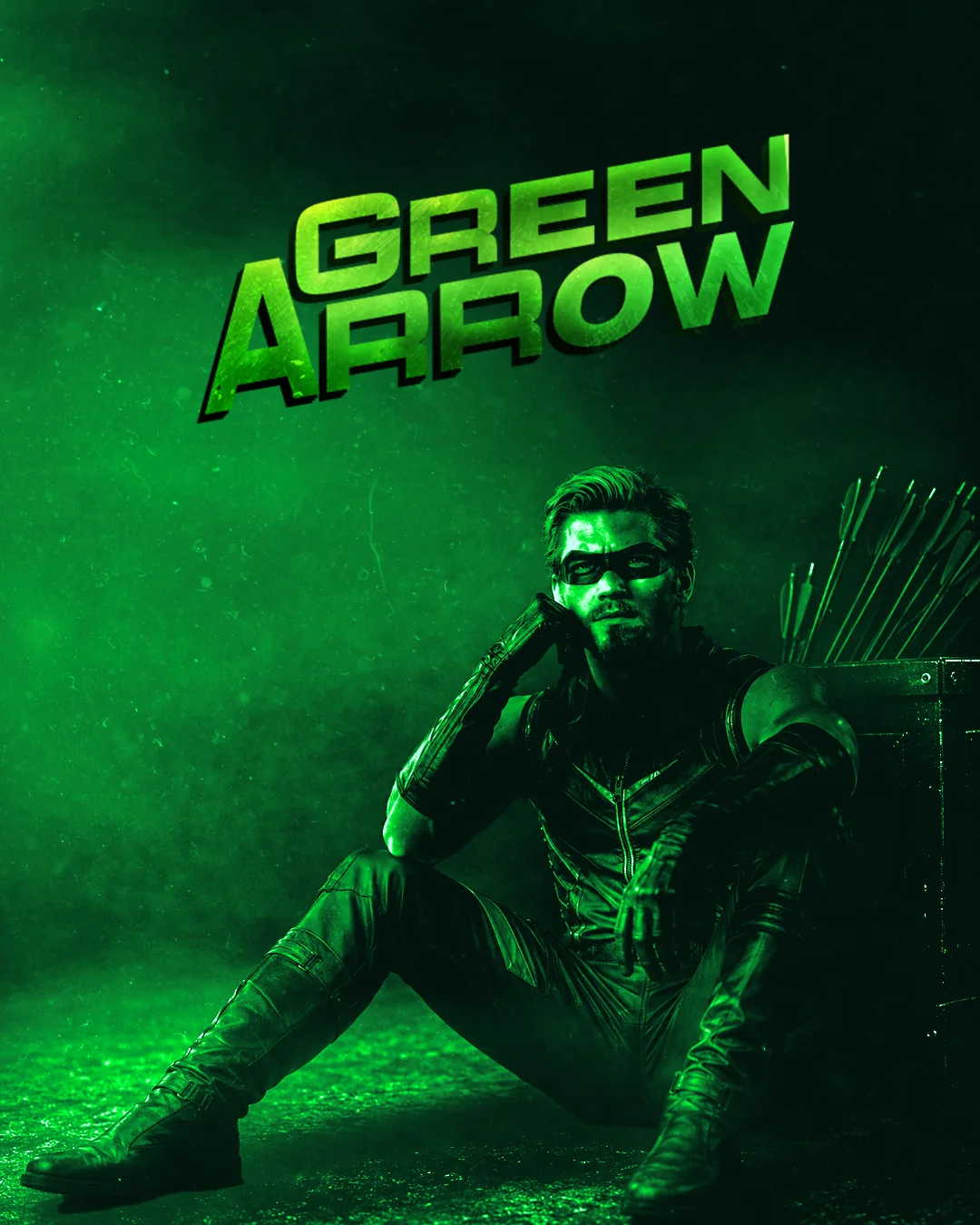
Green Arrow 1 (2030)
- Narrative Briefing: Raw urban survival and corporate conspiracy in Star City.
- Lighting Physics: Muted moss green fog cutting through stark alleyway industrial shadows.
- Typographic System: Utilitarian arrow-incised bold gothic type.
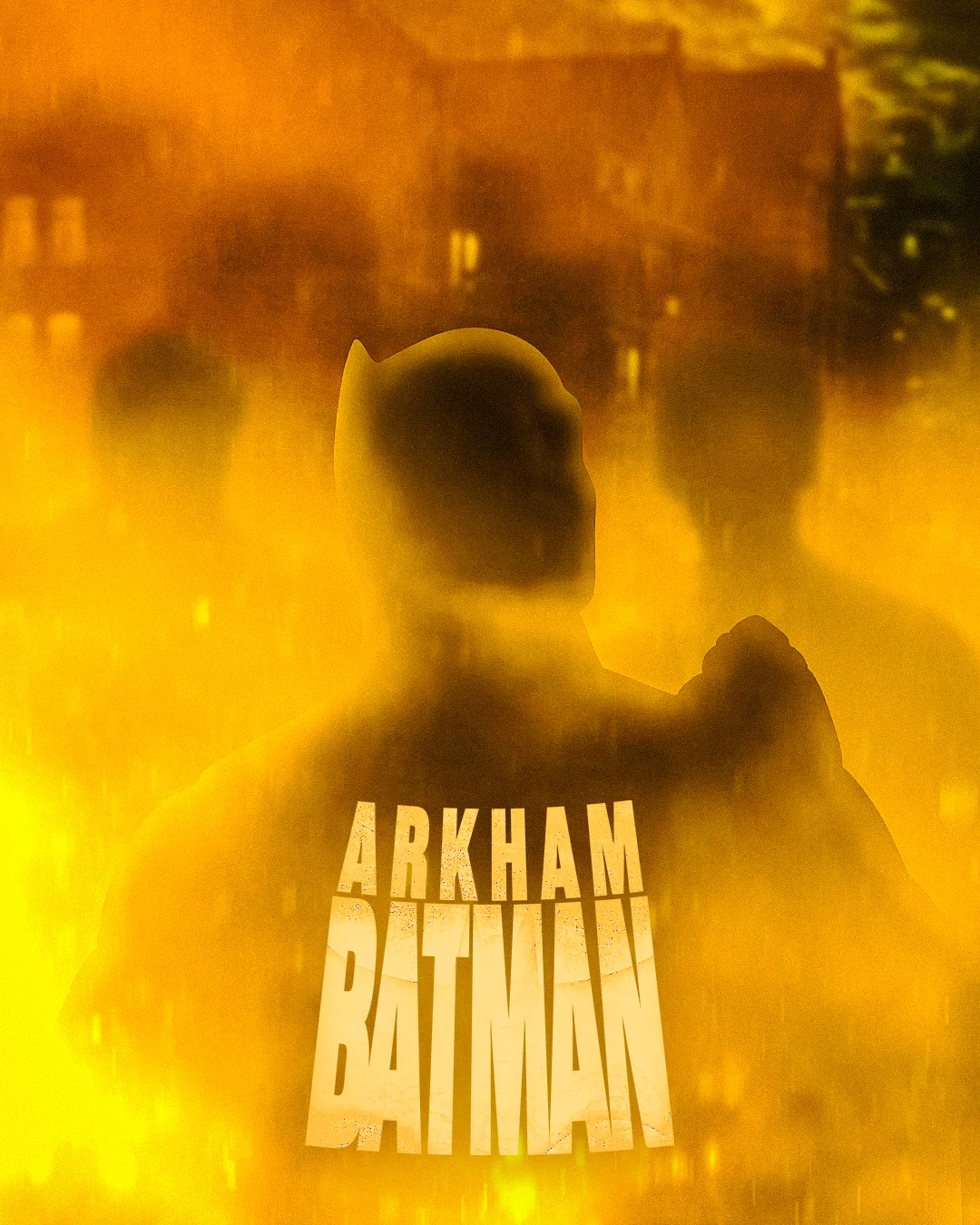
Batman: Arkham (2030)
- Narrative Briefing: Claustrophobic psychological horror within the damp gothic walls of Arkham Asylum.
- Lighting Physics: Sickly institutional fluorescent green backlighting over rusted iron and peeling concrete.
- Typographic System: Distressed condensed serif with asylum inmate registration numbering details.
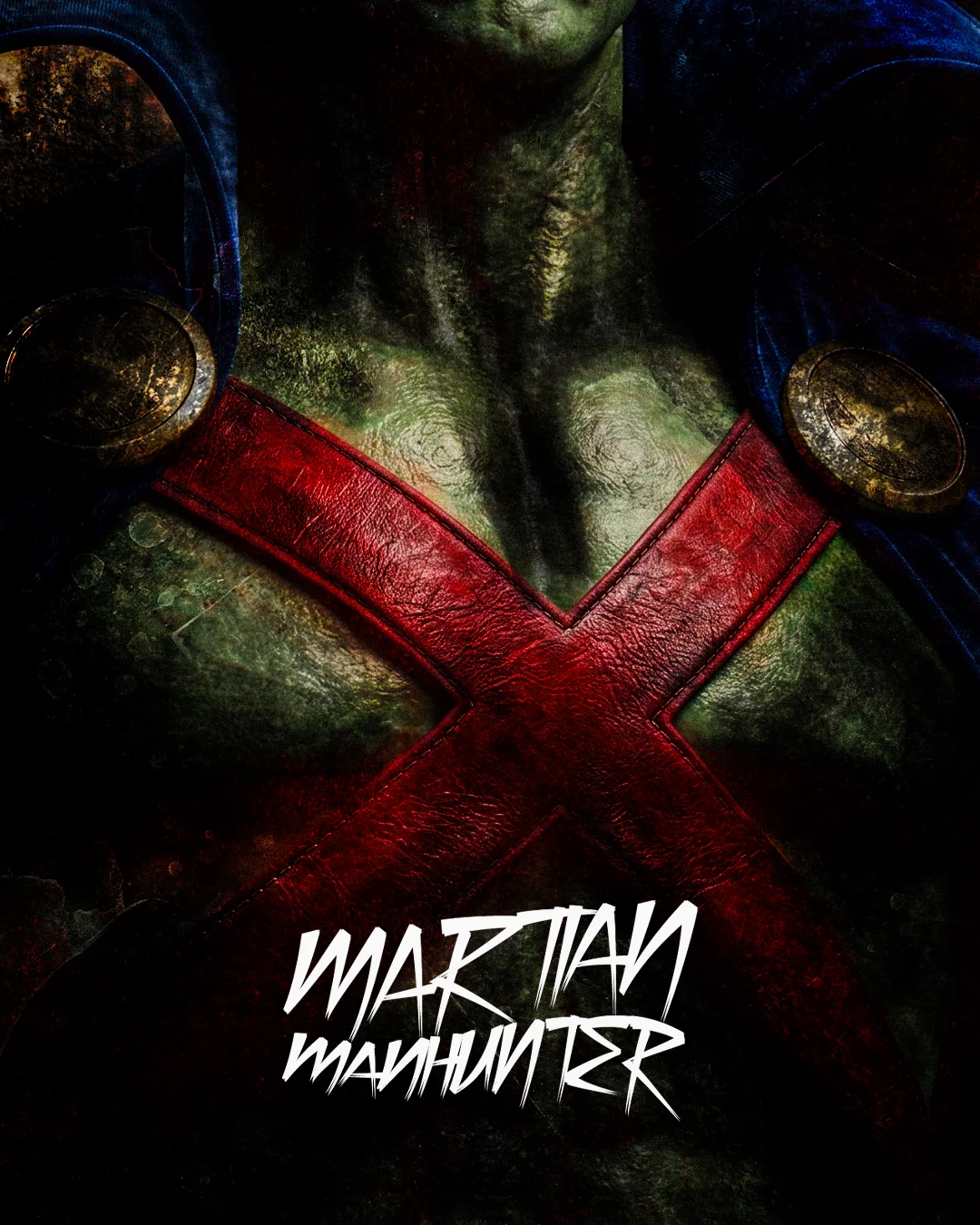
Martian Manhunter (2031)
- Narrative Briefing: Existential Cold War isolation. Detective John Jones mourning a dead planet while navigating government xenophobia.
- Lighting Physics: Warm Martian desert rust contrasting with cold midnight metropolitan blue.
- Typographic System: Minimalist, wide-spaced cinematic typography reflecting cosmic silence.
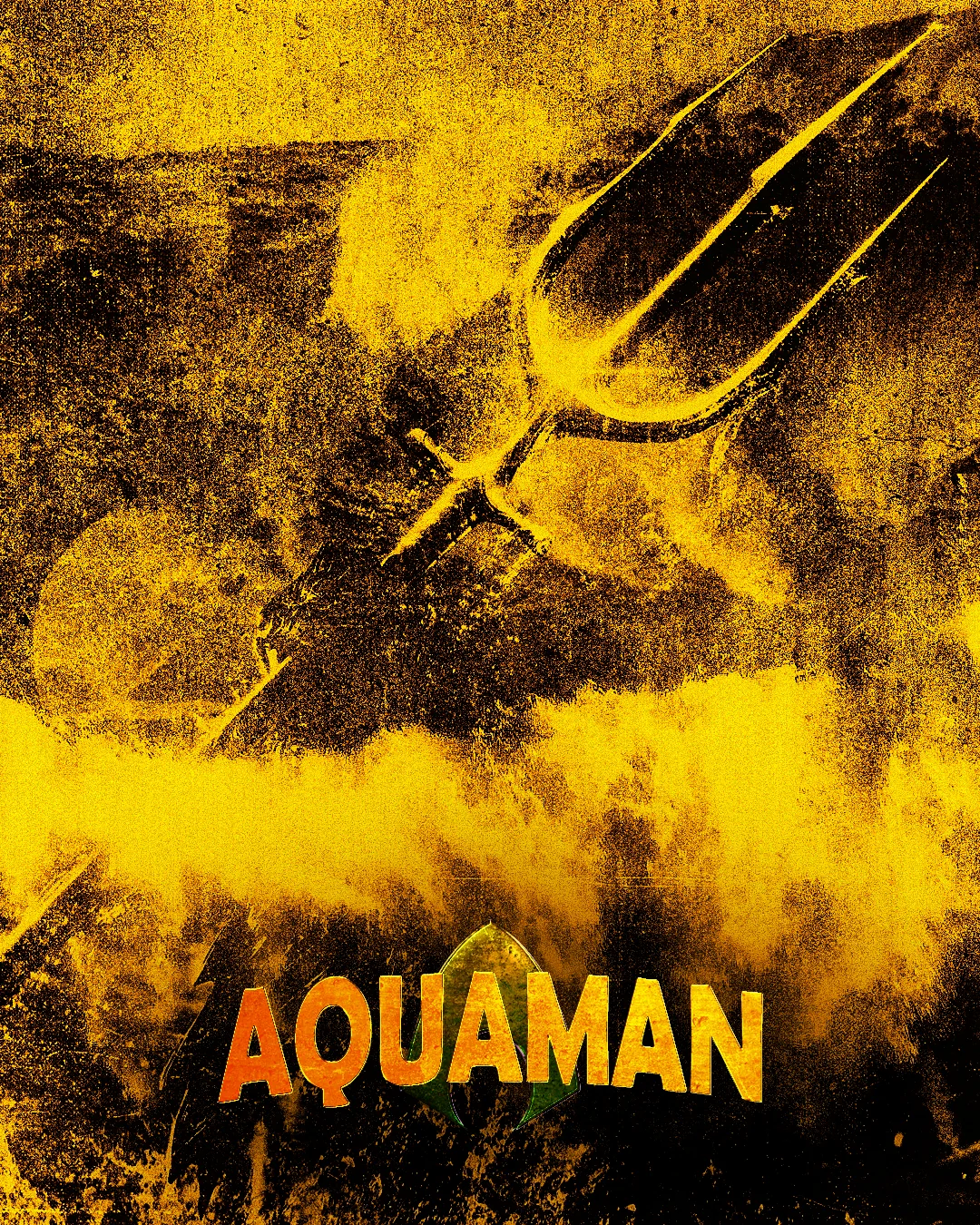
Aquaman (2031)
- Narrative Briefing: Dynastic civil war in the crushing depths of the Atlantic.
- Lighting Physics: Caustic volumetric light shafts penetrating deep-sea abyss with bioluminescent aqua accents.
- Typographic System: Gilded trident-inspired maritime serif with aquatic erosion texturing.
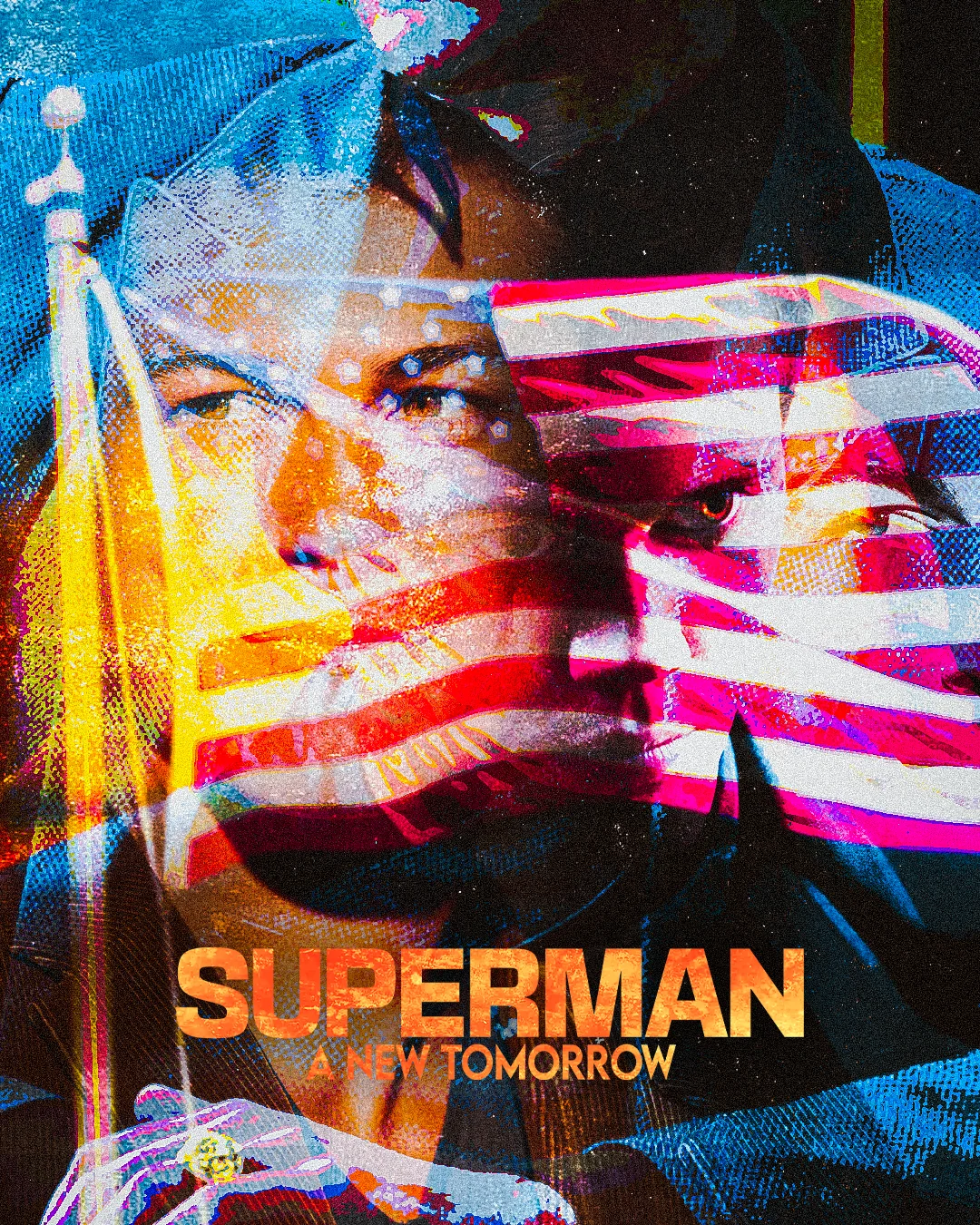
Superman 2: A New Tomorrow (2032)
- Narrative Briefing: Brainiac arrives to harvest Metropolis, challenging Clark's belief in humanity's future.
- Lighting Physics: Menacing extraterrestrial violet circuitry lighting overpowering warm Earth sunlight.
- Typographic System: Sleek futuristic evolution of the classic Superman title treatment.
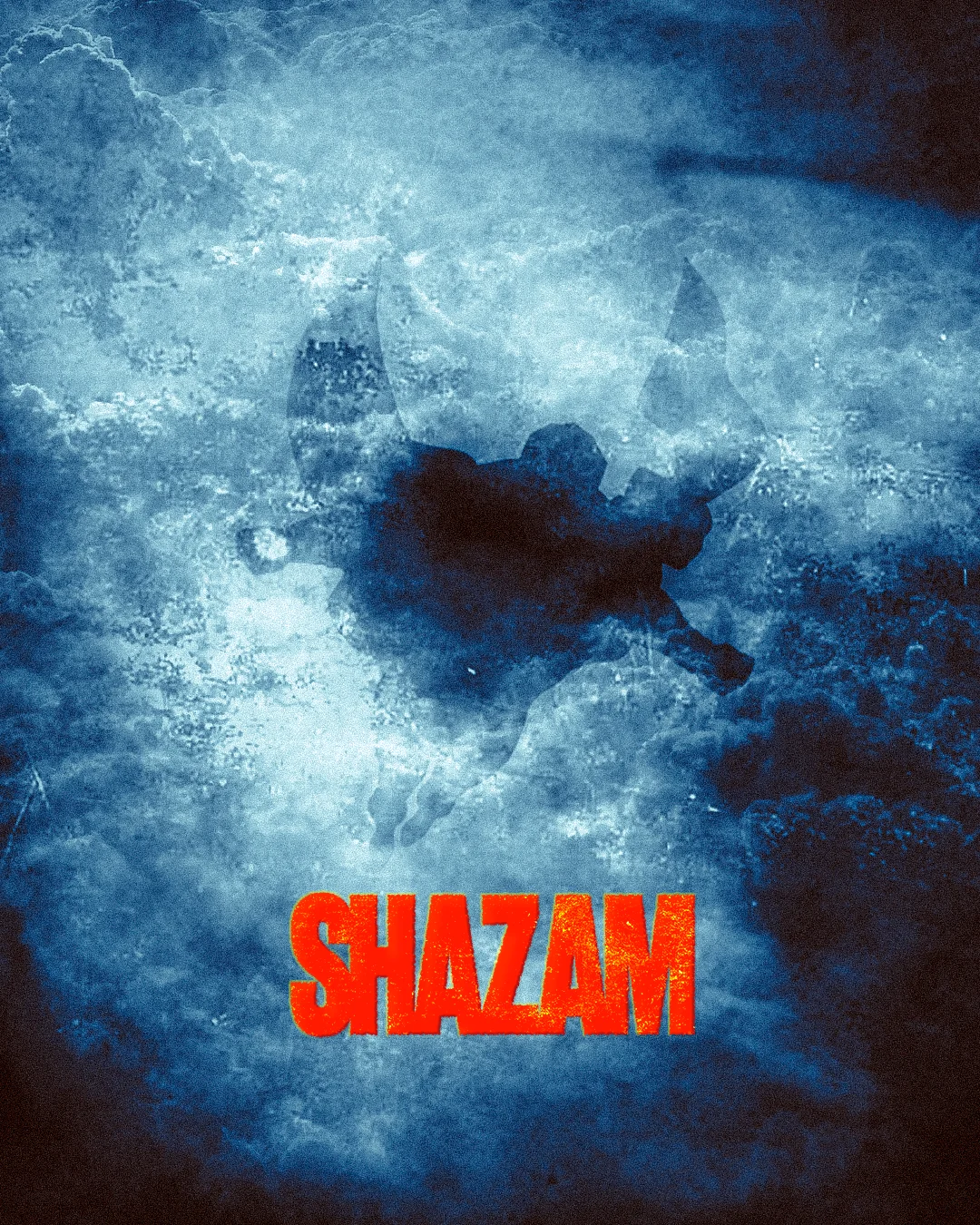
Shazam (2032)
- Narrative Briefing: A child endowed with divine thunder grappling with adult moral responsibility.
- Lighting Physics: Intense electrical sparks and golden lightning fractures illuminating storm clouds.
- Typographic System: Bold, angular thunderbolt-incised heroic titling.
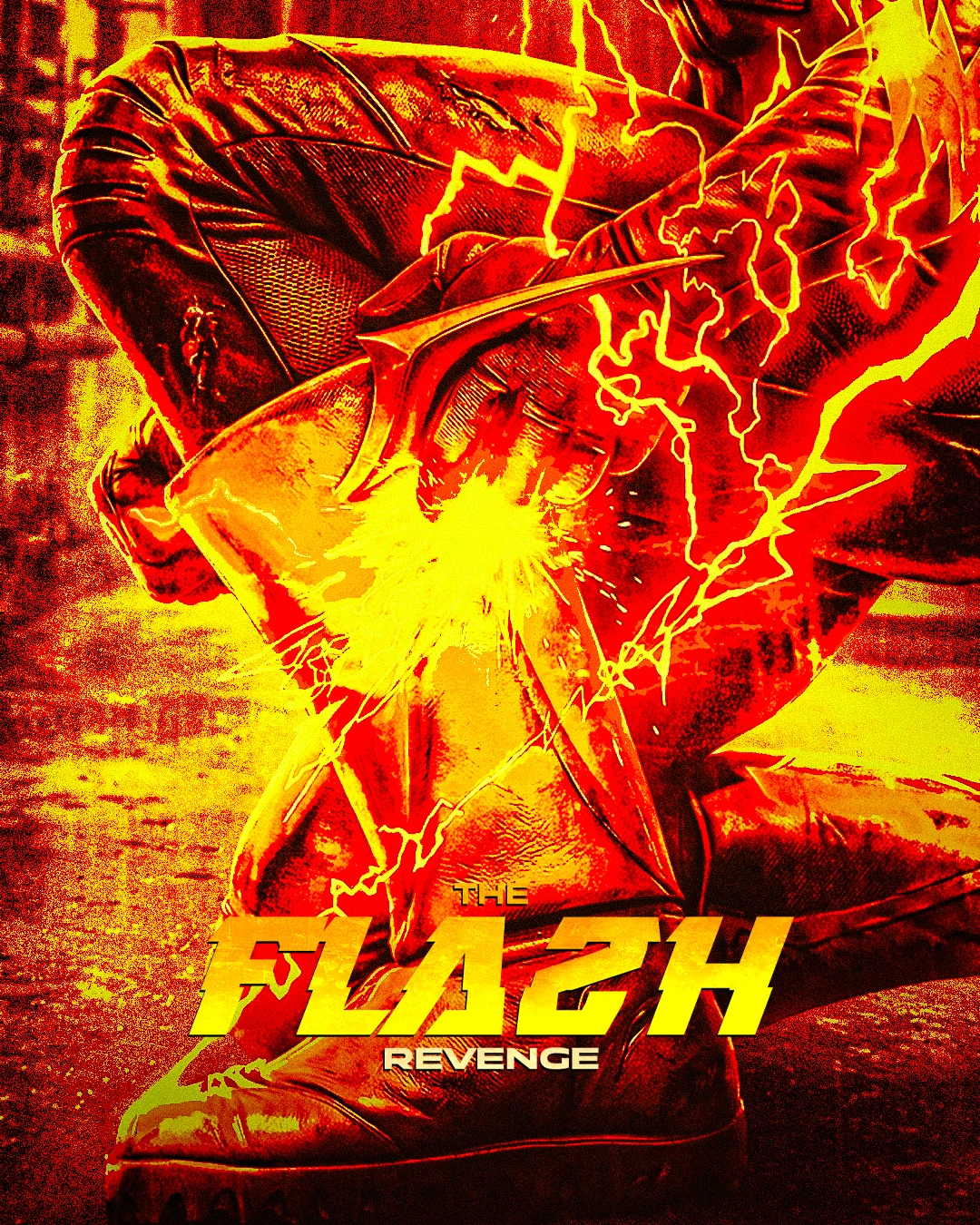
The Flash 2: Revenge (2032)
- Narrative Briefing: The Rogues unite while the Negative Speed Force introduces dark reverse physics.
- Lighting Physics: Dual-opposed lightning trails (golden positive vs blood red negative) in high-speed collision.
- Typographic System: Razor-sharp italicized speed typography with motion-vector clipping.
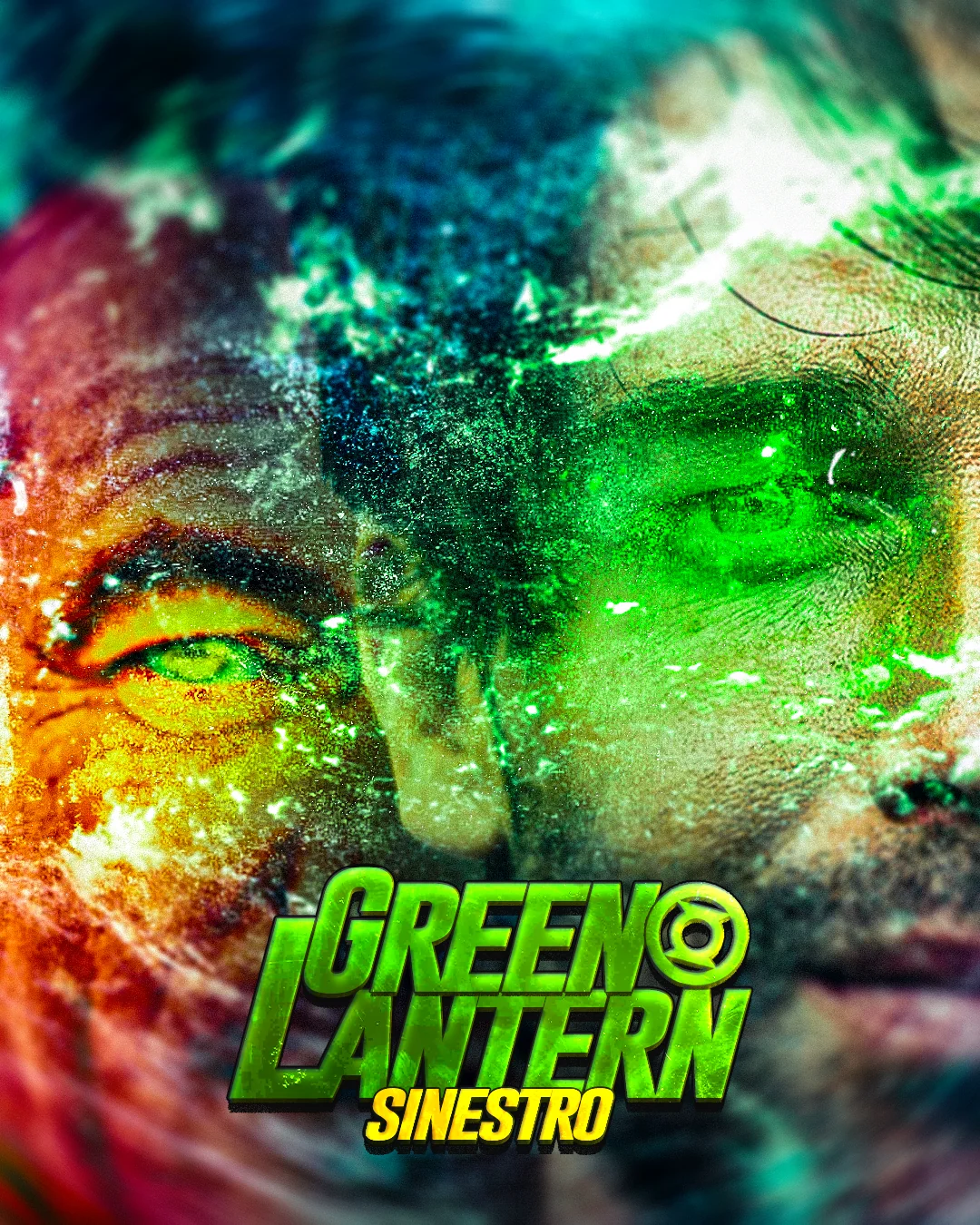
Green Lantern 2: Sinestro (2033)
- Narrative Briefing: Sinestro's mutiny and the military rise of the Yellow Lanterns of Fear.
- Lighting Physics: Violent chromatic clash of emerald willpower and radioactive yellow terror over burning planets.
- Typographic System: Heavy military space-opera lettering with fractured corps emblems.
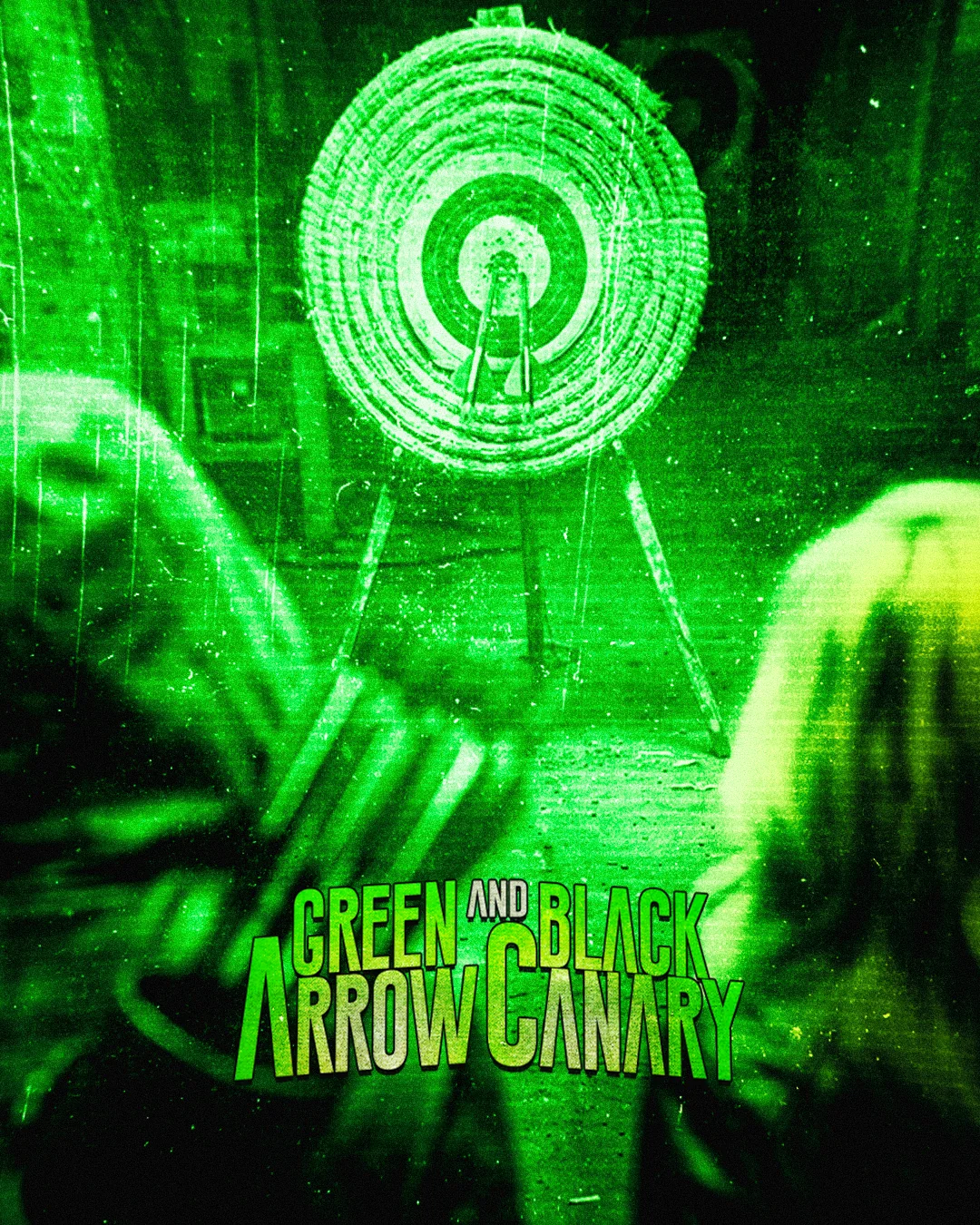
Green Arrow & Black Canary (2033)
- Narrative Briefing: Street justice partnership and romance confronting Star City's syndicate kingpins.
- Lighting Physics: Wet asphalt neon reflections paired with circular sonic-wave chromatic distortions.
- Typographic System: Interlocking dual-weight logotype balancing rugged archery cuts and sonic curvature.
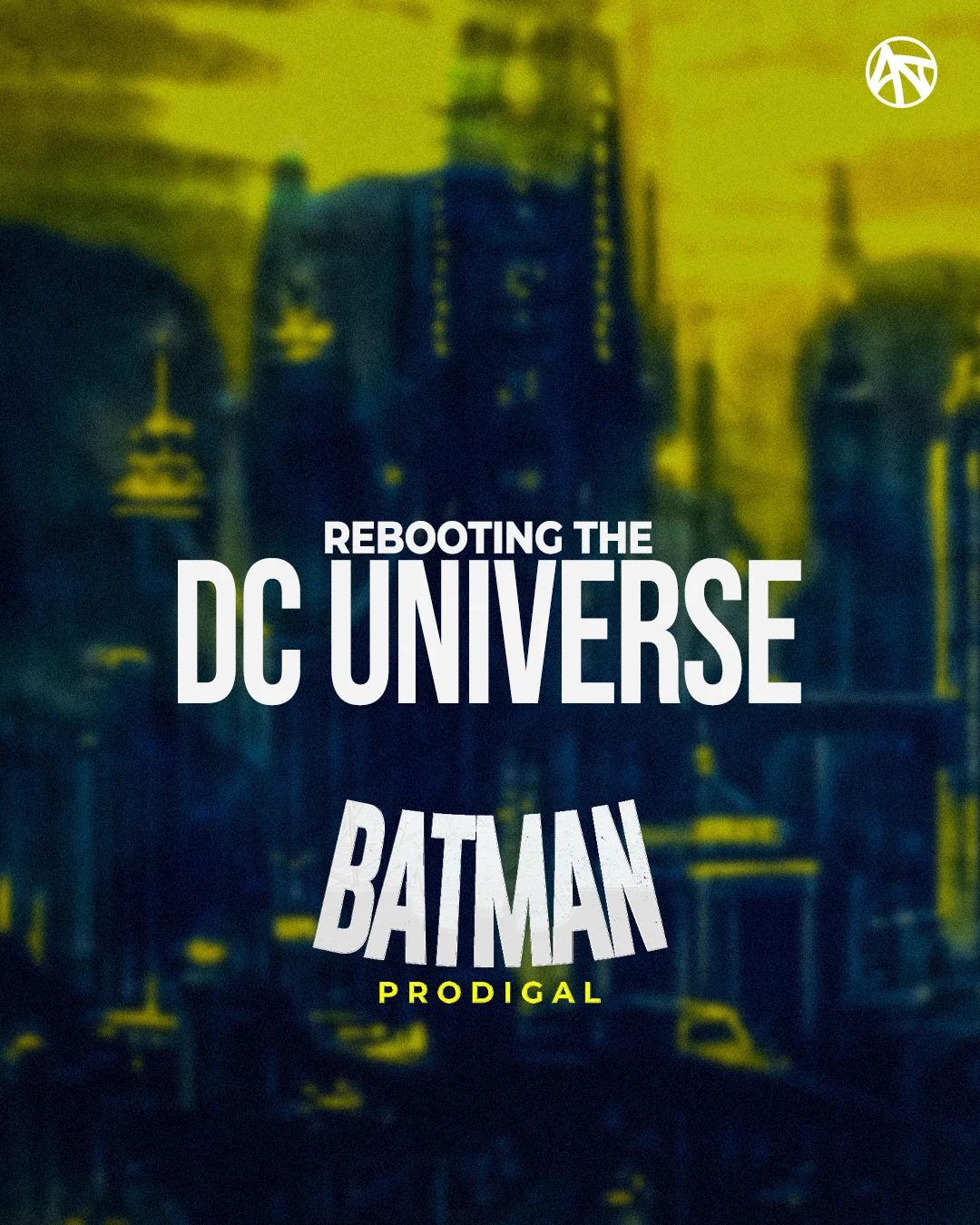
Batman 3: Prodigal Son (2033)
- Narrative Briefing: The emergence of Dick Grayson and Barbara Gordon, challenging Bruce Wayne's absolute control.
- Lighting Physics: Layered three-tier shadow architecture with moody midnight indigo rim lighting on rooftop gargoyles.
- Typographic System: Stately, somber classical serif reflecting generational succession and family drama.
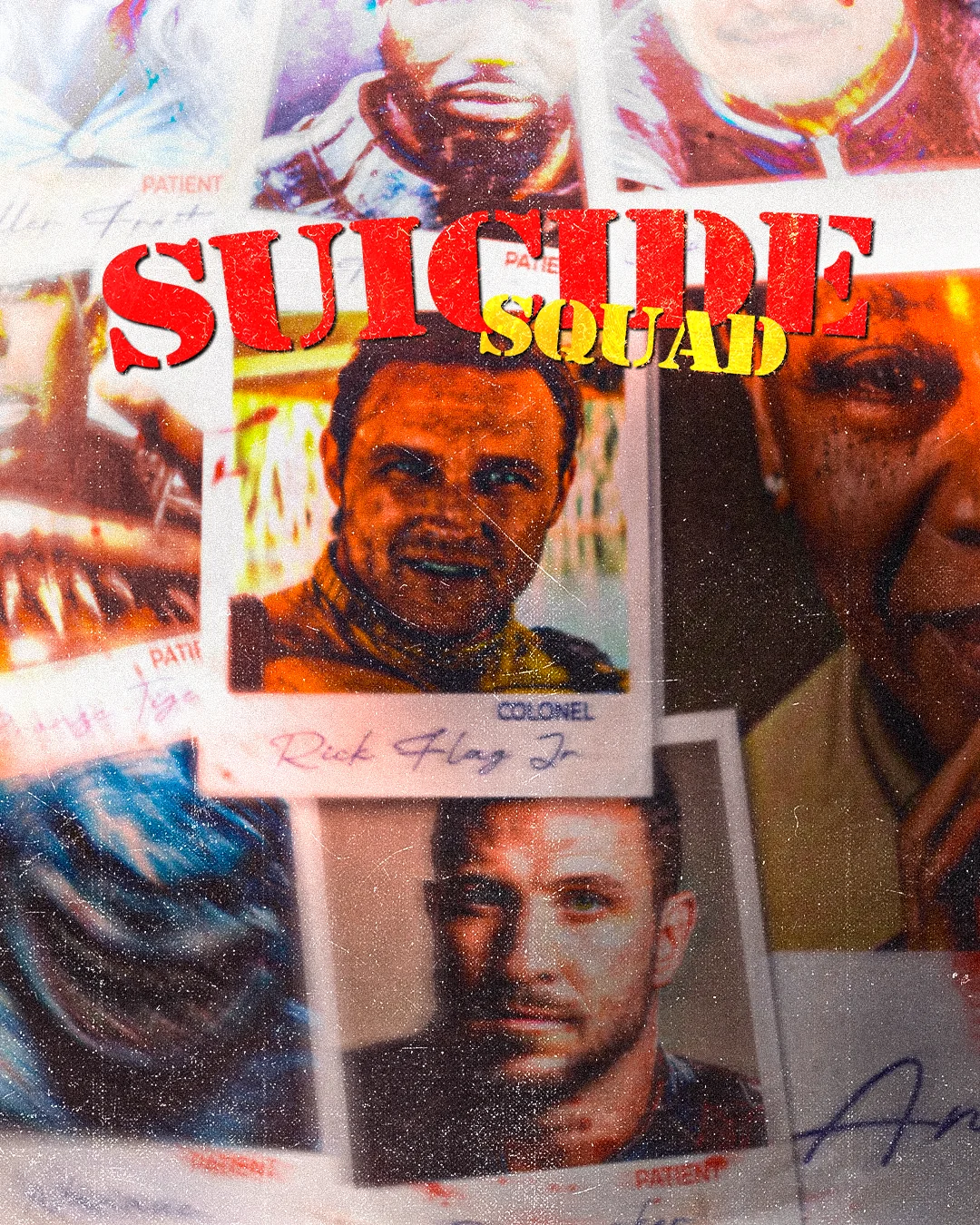
Suicide Squad 1 (2034)
- Narrative Briefing: Amanda Waller's deniable covert ops team sent into lethal combat zones.
- Lighting Physics: Desaturated night-vision green and harsh tactical flashlight beams cutting dirty atmospheric grit.
- Typographic System: Stenciled, declassified government document typography with heavy industrial spray wear.
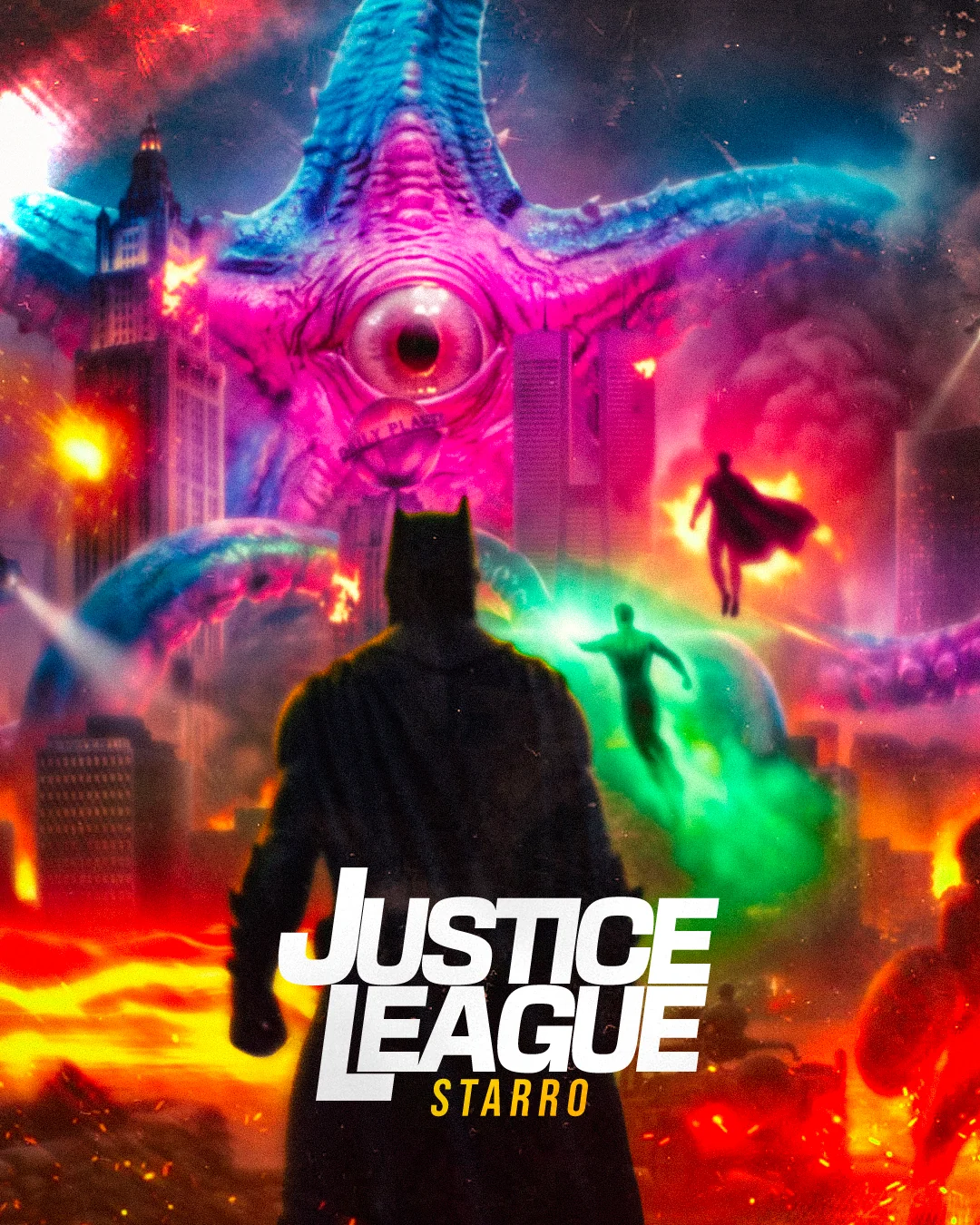
Justice League 2: Starro (2034)
- Narrative Briefing: Cosmic parasite invasion as Starro the Conqueror mind-controls planetary populations.
- Lighting Physics: Apocalyptic magenta and deep indigo bioluminescence enveloping Earth's skyline.
- Typographic System: Grand monumental serif with subtle organic parasitic distortion along letter edges.
04. Technical Takeaways for Art Directors & Studios
Developing speculative entertainment key art requires the exact same rigor demanded by commercial studio contracts:
1. Narrative-Driven Chromatic Calibration: Saturated colors must always serve a storytelling purpose. Superman's cobalt and solar red exist to counter Batman's graphite chiaroscuro, while Lantern constructs are treated as physical light sources rather than flat Photoshop layer styles.
2. Anatomical Highlight Discipline: Blown-out highlights kill credibility. In every poster, rim lights are masked to preserve facial structure, cloth weave, and armor rivets, ensuring visual weight on small mobile screens.
3. Typographic System Design: A generic movie title ruins world-building. Custom logotypes were drawn and kerned individually to reflect the specific genre of each entry, from Eggers' folk horror to Sheridan's neo-noir.